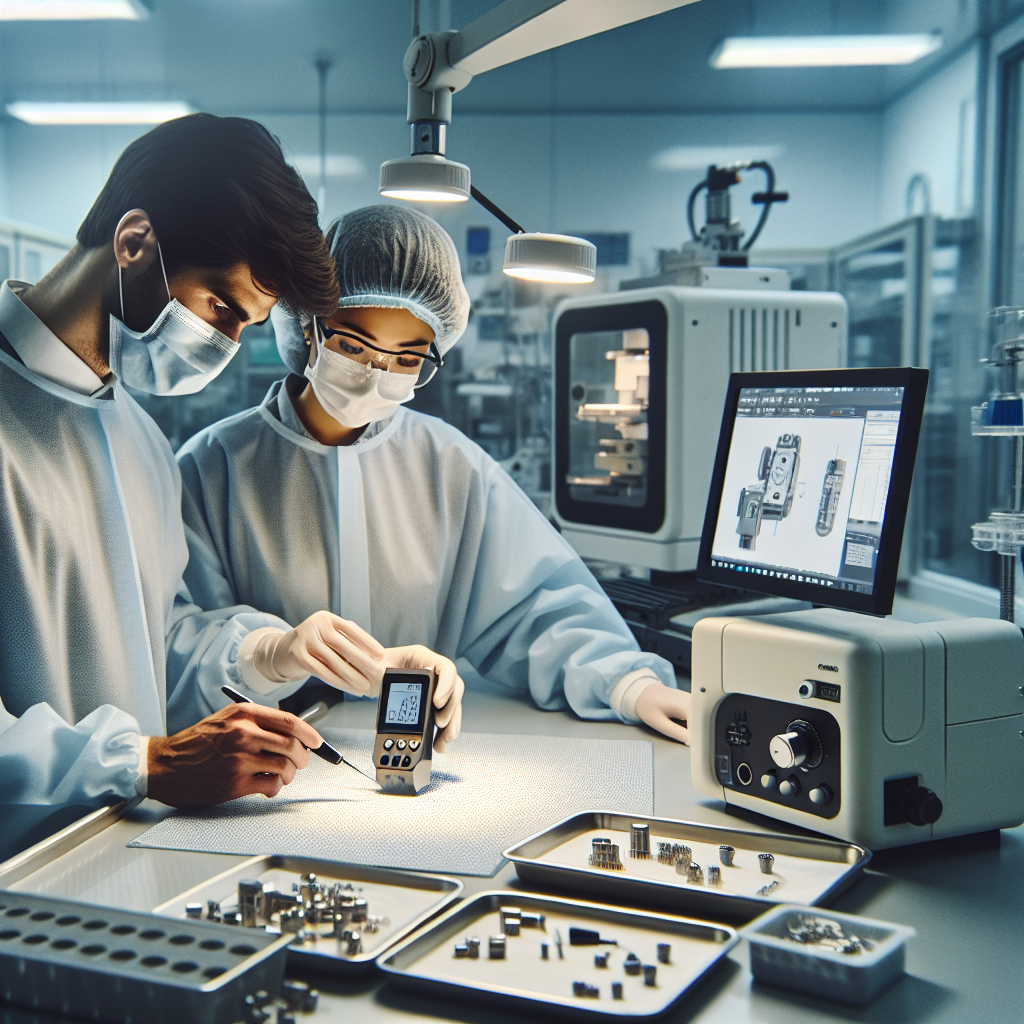
Lithuania: OEM solutions for medical and aesthetics applications
Overview: Lithuania as a trusted OEM partner for medical and aesthetics
Lithuania has emerged as a competitive hub for original equipment manufacturing (OEM) in medical and aesthetic technologies. Combining EU regulatory alignment, ISO-certified production facilities, and a skilled engineering workforce, Lithuanian suppliers deliver components, subassemblies and fully finished devices for both clinical and consumer-facing aesthetics markets.
Core OEM capabilities
Manufacturers in Lithuania offer a full spectrum of services that suit medical device and aesthetics brands looking to outsource production or co-develop products. Core capabilities include:
- Product design support and DFMEA risk assessment
- Rapid prototyping using 3D printing and CNC machining
- Precision injection molding for biocompatible plastics
- PCB design and surface mount assembly for electronic devices
- Cleanroom assembly and packaging for sterile or semi-sterile goods
- Sterilization coordination and supply chain integration
Example product types served
OEM partners in Lithuania produce a variety of medical and aesthetics items, such as:
- Handheld aesthetic devices: LED, radiofrequency, ultrasound platforms
- Consumables and single-use disposables: tips, cartridges, and injectors
- Diagnostic modules and sensors for point-of-care systems
- Electromechanical assemblies for therapeutic equipment
- Packaging and labeling solutions compliant with EU requirements
Quality, standards and regulatory support
Quality and regulatory compliance are critical for medical and aesthetics products. Many Lithuanian OEMs are certified to ISO 13485 and operate under strict quality management systems. They support CE marking processes, technical documentation, and can assist with conformity assessment under MDR for EU market entry. Additional services often include supplier qualification, incoming inspection, batch traceability and corrective action systems to maintain regulatory readiness.
Benefits of partnering with manufacturers in Lithuania
Choosing a Lithuanian OEM offers several strategic advantages:
- EU membership and regulatory alignment, simplifying market access in Europe
- Competitive costs compared with Western Europe while maintaining high technical standards
- Shorter lead times and proximity to major EU markets for efficient logistics
- Access to experienced engineers and multilingual teams familiar with international clients
- Flexible production runs that accommodate both low-volume launches and medium-scale manufacturing
How the OEM engagement typically works
Engagements with Lithuanian OEMs can be structured to match the client needs from pure manufacturing to turnkey development. Typical steps include:
- Initial feasibility and cost estimate
- Design for manufacturability review and prototype generation
- Validation runs and pilot production addressing quality and regulatory requirements
- Scaling to serial production with ongoing quality monitoring
Selecting the right OEM partner
When evaluating suppliers, prioritize proven experience with medical/aesthetics products, relevant certifications, documentation practices, and communication transparency. Request case studies, audit access and sample builds to verify capability.
Local ecosystem and innovation
Lithuania benefits from vibrant med-tech clusters in cities like Vilnius and Kaunas, active R&D collaboration with universities, and growing networks of suppliers for electronics, plastics and medical packaging. This ecosystem supports accelerated product development cycles and continuous improvement initiatives.
Conclusion and next steps
Lithuania offers reliable OEM solutions that combine regulatory know-how, manufacturing flexibility and cost-effective operations for medical and aesthetics applications. Whether you need prototyping, small batch production or full-scale manufacturing, Lithuanian partners can be a strategic nearshore option for brands targeting EU and global markets. Start by defining technical requirements, requesting capability statements, and arranging supplier visits or virtual audits to identify the best match.